Breaking the Vault: Over 1,000 Secrets Unveiled in ICE's Shadowy World
Something inside the system cracked

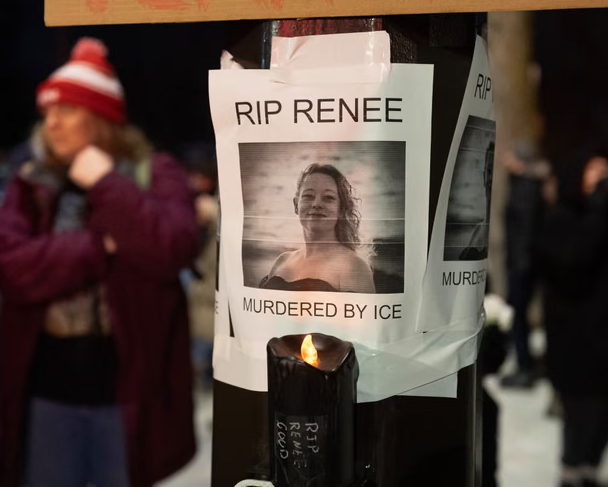
After the fatal shooting of Renee Nicole Good in Minneapolis on January 7, a wave of grief, anger, and disbelief swept across the country. Protests erupted. Questions mounted. And behind closed doors, according to multiple reports, frustration inside the Department of Homeland Security reached a breaking point.
What followed may be one of the most consequential data leaks in the history of U.S. immigration enforcement
A Leak That Changed the Conversation
Sensitive personal and professional information belonging to approximately 4,500 Immigration and Customs Enforcement (ICE) and Border Patrol employees was allegedly disclosed by a Department of Homeland Security whistleblower. The leak reportedly included names, work emails, phone numbers, job roles, and résumé details such as prior employment history. Nearly 2,000 of the individuals identified are said to be frontline enforcement agents.
The data was allegedly shared with ICE List, a volunteer-run accountability initiative that documents immigration enforcement activity in the United States. If confirmed, it would represent the largest known breach of DHS staff data to date.
According to ICE List founder Dominick Skinner, the shooting of Good was a turning point. “For many people inside government, this was the last straw,” he said in interviews. Early analysis of the dataset suggests that roughly 80 percent of the individuals named are still employed by DHS, including approximately 150 supervisors.
Before this incident, ICE List already maintained records related to roughly 2,000 federal immigration staff. The new material reportedly increases the total volume of data in its possession to more than 6,500 records.
Why This Moment Feels Different
Data breaches happen. Whistleblowers emerge. Outrage flares and fades.
But this moment feels different because it sits at the intersection of use of force, secrecy, and public accountability. The killing of Renee Nicole Good did not occur in a vacuum. It followed years of expanded interior enforcement, masked agents, limited public identification, and increasingly restricted access to information.
Inside DHS, sources suggest that morale has been strained by public backlash, legal challenges, and internal disagreements over policy and tactics. Outside the agency, communities have struggled to understand who is responsible when enforcement actions go wrong — and how patterns repeat across jurisdictions.
The question many are asking is no longer whether the public should know more, but how that knowledge should be responsibly documented and preserved.
What ICE List Actually Is — and Isn’t
Despite headlines that frame ICE List as a “doxxing website,” the project describes itself differently.
ICE List is a volunteer-run documentation platform that records incidents, agents, vehicles, facilities, and agencies involved in immigration enforcement. It emphasizes verification, sourcing, and timestamped records, with unverified information clearly labeled.
In recent months, the project has expanded into a structured wiki designed for journalists, researchers, advocates, and the general public. The goal, according to its creators, is not harassment — but historical record-keeping and accountability.
That distinction matters.
In parallel with the wiki, a growing number of volunteers and technologists have begun experimenting with tools that help people understand enforcement activity, contribute responsibly, and learn how documentation works. One such experimental tool can be found embedded within this broader ecosystem at
👉 blkicecoalition.vercel.app — a test-stage application focused on awareness, volunteering pathways, and safe information sharing rather than exposure or targeting.
The Government Pushback
DHS officials have issued strong warnings in response to the alleged leak. Assistant Secretary Tricia McLaughlin stated that exposing agent identities places officers and their families at serious risk, particularly amid heightened tensions following Good’s killing.
Lawmakers have echoed those concerns, arguing that publishing names — even without addresses — can enable harassment or violence. Proposed legislation has sought to criminalize the disclosure of federal law enforcement identities when tied to enforcement operations.
These concerns are not hypothetical. They are real, and they deserve to be taken seriously.
But so does the other side of the equation: what happens when the public has no durable record at all?
Between Transparency and Harm
This is where the debate becomes uncomfortable — and necessary.
Without documentation, patterns disappear. Incidents become isolated. Accountability resets with every news cycle. Families grieve, communities protest, and then the system moves on.
With documentation, however imperfect, there is memory. There is comparison. There is the ability to ask why the same agencies, the same offices, or even the same individuals appear again and again in complaints, lawsuits, and use-of-force incidents.
That tension — between transparency and risk — is not new. It exists in journalism, civil rights work, and whistleblower cases across history. What is new is the scale, the speed, and the technology now involved.
What Happens Next
According to Skinner, tips from the public have surged since Good’s death, with individuals submitting information identifying suspected agents involved in enforcement operations. ICE List has said it plans to publish only verified names, with exclusions for certain roles such as healthcare or childcare workers within the agency.
The site is hosted outside the United States, a decision its operators say is intended to protect it from takedown efforts and political pressure.
Meanwhile, experimental tools, volunteer guides, and documentation standards continue to evolve — quietly building infrastructure that did not exist a few years ago.
A Reckoning Still Unfolding
The death of Renee Nicole Good was a human tragedy. The alleged data breach that followed is a systemic shock. Together, they have forced a conversation the country has long avoided:
Who watches the watchers — and what happens when those records finally surface?
There are no easy answers. Only consequences, trade-offs, and the uncomfortable reality that silence has a cost too.
What happens next will shape not only immigration enforcement, but how transparency, whistleblowing, and public accountability function in the digital age
Resources

.jpg)
Comments
Post a Comment